Materials
Das richtige Verpackungsmaterial wählen: ein Leitfaden für Einkäufer
Graupappe, SBS, Kraft oder Wellpappe? Ein praxistauglicher Rahmen, um die Kartonsorte auf Produktgewicht, Haltbarkeit und Budget abzustimmen.
Packaging Engineering Team8 min read
Die Materialwahl bestimmt rund 60 % der Stückkosten einer Verpackung und nahezu ihre gesamte Leistungsfähigkeit. Trifft man sie falsch, zahlt man entweder über die gesamte Laufzeit des Artikels bei jeder Einheit drauf — oder man zahlt in Form von Schadensmeldungen.
Dieser Leitfaden geht die vier Kartonfamilien durch, die wir am häufigsten kalkulieren, erklärt, worin jede wirklich gut ist, und nennt die Fragen, die Sie beantworten sollten, bevor Sie irgendeinen Lieferanten nach einem Preis fragen.
Beginnen Sie bei Gewicht und Empfindlichkeit, nicht bei der Optik
Der häufigste Spezifikationsfehler besteht darin, eine Kartonsorte danach zu wählen, wie die Schachtel eines Wettbewerbers aussieht — und dann festzustellen, dass sie das Produkt nicht tragen kann. Wiegen Sie Ihr Produkt samt Zubehör und halten Sie die Fallhöhe fest, die es überstehen muss: Ein Paket im Kuriernetz erlebt routinemäßig Stürze aus 90 cm.
Erst wenn Gewicht und Empfindlichkeit feststehen, lohnt es sich, über die Veredelung zu sprechen. Veredelung lässt sich auf nahezu jeden Karton aufbringen; Tragfähigkeit lässt sich nachträglich nicht ergänzen.
Die vier Kartonfamilien
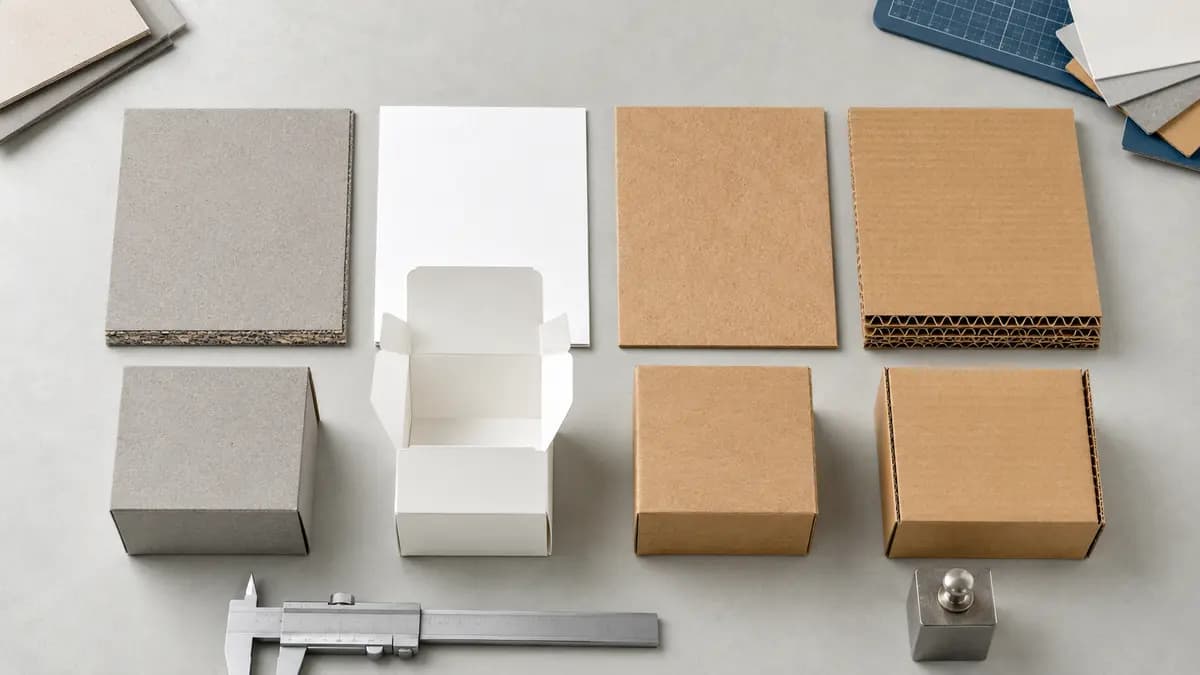
Nahezu jede papierbasierte Verpackung entsteht aus einer von vier Materialfamilien, und sie sind nicht gegeneinander austauschbar.
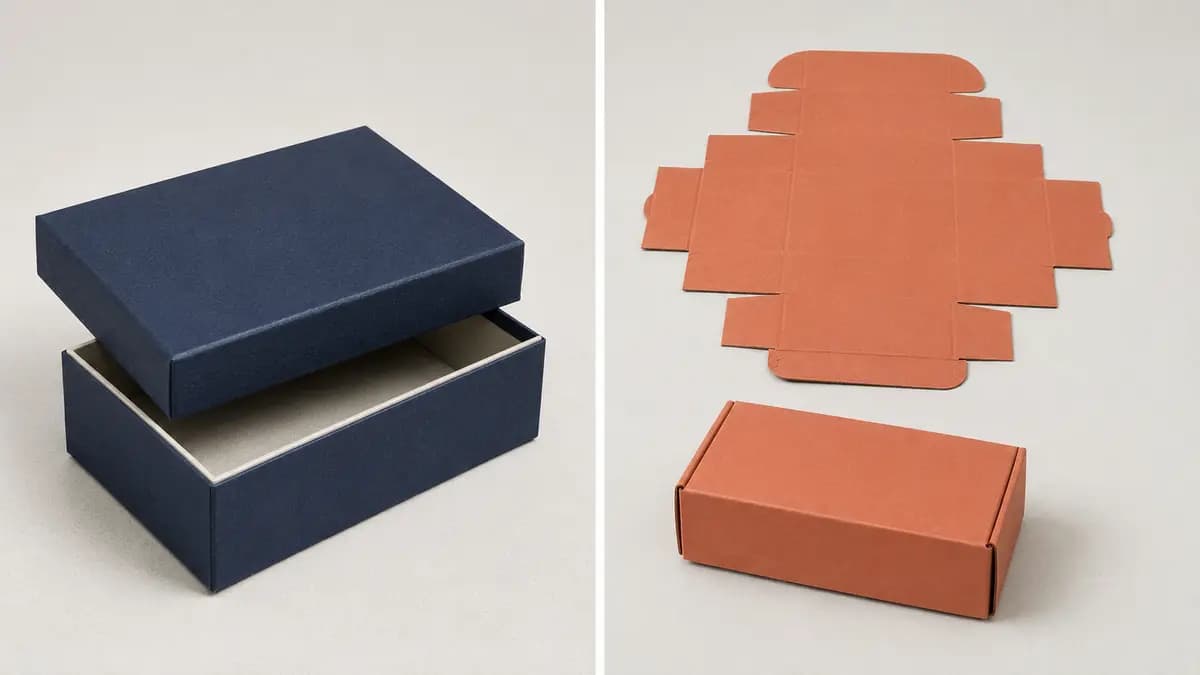
- Graupappe (1.000–2.500 g/m²): formstabil, dauerhaft, mit bedrucktem Papier kaschiert. Für hochwertige Geschenk- und Schmuckverpackung. Höchste Stückkosten, höchster Wertanmutung.
- SBS-Faltschachtelkarton (250–450 g/m²): flach bedruckt, gestanzt und geklebt. Retail-Faltschachteln für Kosmetik, Lebensmittel und Pharma. Beste Druckqualität je Kosteneinheit.
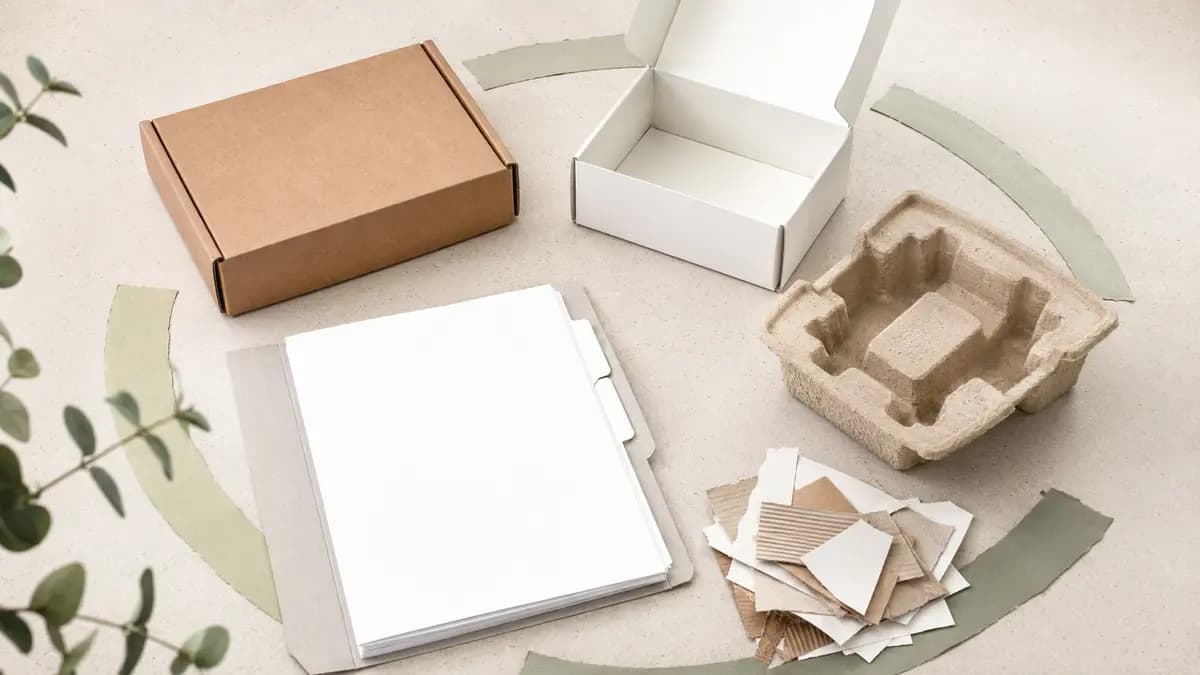
- Kraftkarton (250–450 g/m²): recycelter oder frischfaseriger brauner Karton. Sichtbares Nachhaltigkeitssignal, etwas geringere Druckwiedergabe, stark im Preis-Leistungs-Verhältnis.
- Wellpappe (E-, B-, C-, BC-Welle): Wellenkern zwischen Decken. Für Versand und E-Commerce. Mit Abstand bestes Verhältnis von Festigkeit zu Gewicht.
Wo Einkäufer zu viel ausgeben
Zwei Muster verursachen den größten Teil der vermeidbaren Kosten. Das erste ist eine überspezifizierte Wellpappenqualität: Viele Einkäufer bestellen 44 ECT Doppelwelle, obwohl 32 ECT Einwelle den tatsächlichen Stapeltest besteht — das schlägt ohne jeden Nutzen mit 12–18 % auf die Materialkosten durch.
Das zweite ist der Einsatz von Vollpappe dort, wo eine gut veredelte Faltschachtel im Regal denselben Eindruck machen würde. Eine soft-touch-kaschierte Faltschachtel mit 400 g/m² und Heißfolienprägung schneidet in Verbrauchertests häufig besser ab als eine schlichte Stülpschachtel — zu einem Drittel der Kosten und einem Bruchteil der Fracht.
Fragen, die vor einer Anfrage geklärt sein sollten
Ein Lieferant kann nur gegen ein definiertes Briefing einen belastbaren Preis nennen. Halten Sie diese fünf Antworten bereit, dann liegt Ihr erstes Angebot nah am endgültigen.
- Produktmaße und Bruttogewicht, einschließlich Zubehör
- Jahresvolumen und Menge je Abruf — beide preisen sich sehr unterschiedlich
- Verkaufsregal, E-Commerce-Paket oder beides
- Erforderliche Zertifizierungen: FSC, Lebensmittelkontakt, Recyclingfähigkeitsnachweise
- Ziel-Landed-Cost je Einheit, nicht nur der Ab-Werk-Preis der Schachtel